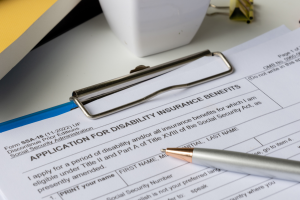

Facing a disability is tough, but facing it with a criminal record can feel completely overwhelming. You’re probably asking, can felons get social security disability?
It’s a question that brings up a lot of stress and uncertainty, and you might feel like the system is automatically stacked against you. The simple answer is yes, a felony conviction does not automatically bar you from receiving Social Security benefits. But the path is not always straightforward, as the Social Security Administration (SSA) has specific rules you must understand.
Your eligibility often depends less on your past felony and more on your current situation, especially if you are incarcerated. Let’s clear up the confusion and look at what this really means for you and your ability to get the support you need.

The Big Misconception: Your Felony Record Alone
First, let’s get one major thing out of the way. Simply having a felony on your record does not automatically stop you from getting Social Security Disability benefits. This is a huge myth that causes many people with a disability claim to give up before they even start.
The primary job of the Social Security Administration is to determine if you have medical conditions that prevent you from working. They review your medical records and your work history to make this determination. The agency is not focused on law enforcement, so your past conviction itself isn’t the main point of interest.
What the SSA does care about are circumstances directly related to your conviction. This includes whether you are currently in jail or prison or if your disability is linked to the crime you committed. The framework of disability law is designed to provide a safety net, but it has clear rules about these specific situations.
What Happens to Your Benefits When You Go to Jail or Prison?
This is where the rules become critical. If you are incarcerated, your social security disability benefits will almost certainly be affected. The government does not typically pay disability benefits to individuals who are confined in a penal institution.
For both Social Security Disability Insurance (SSDI) and Supplemental Security Income (SSI), benefit payments are suspended if you are confined in a jail, prison, or other correctional facility for more than 30 continuous days. Your security benefits are not terminated forever, but they are put on hold for each calendar month you are confined. The payments stop for the month after your 30 days of confinement begins.
Understanding this rule is critical because it impacts your financial stability and what you need to do once you are released. It’s important to note that this applies to confinement for a criminal offense. Being in a public institution for other reasons may have different rules.
What About My Family’s SSDI Benefits?
Here is an important difference between SSDI and SSI. If you receive SSDI, which are Title II benefits, your family members might be receiving social security benefits based on your work record. This could include your spouse or your children who may qualify for Social Security retirement survivors benefits.
Fortunately, their payments can usually continue even while yours are suspended. This can be a lifesaver for families trying to make ends meet while a loved one is incarcerated. This distinction is a small piece of good news in a very difficult situation.
Can You Apply for Disability While Incarcerated?
Yes, you can and probably should apply for disability benefits while you are still incarcerated. It might seem strange to apply for something you cannot receive yet. However, the application process for Social Security Disability can be very long.
It can take many months, sometimes over a year, to get approved. If you wait until you are released to start the process, you could be left with no disability income for a long time. That is a tough spot to be in when you are trying to get back on your feet.
By applying a few months before your scheduled release date, you can get the ball rolling through a prerelease agreement. This way, your application might be processed and approved around the time you get out. The SSA will not send you any money while you’re confined, but they can start benefits much sooner after your release if your file is already active.
How to Get Your Benefits Started Again After Release
Getting out of prison is a huge step, and getting your finances in order is a top priority. Restarting your social security benefits should be one of the first things you do. Your benefits will not start again automatically.
You must inform social security that you have been released. To restart benefits, you need to contact them and provide the necessary information. Be prepared to provide your official prison release documents to prove your release date.
The Social Security Administration will also need your new address and contact information. You can do this by visiting your local social security office, calling their toll free number, or contacting them online. Promptly providing these release documents is essential to get your benefit payments started again without delay.
The Difference Between Reinstatement and Reapplication
How your benefits start again depends on whether you were receiving SSDI or SSI. For SSDI recipients, the process is usually called reinstatement. You let them know you are out of the correctional facility, and they will start your payments again, usually pretty quickly.
For SSI recipients, it can be more complicated. If your SSI benefits have been suspended for 12 consecutive months or longer, the SSA may terminate your eligibility. This means you have to file a completely new application from scratch, which can be a long process.
This rule is another reason why it is so smart to apply before your release if you have a long sentence. It can help you avoid a gap in SSI payments after you are an individual released from confinement. The rules for public institutions can be complex, making proactive steps vital.
Can Felons Get Social Security Disability in These Situations?
While a felony record itself does not stop you from receiving social security disability benefits, some specific situations related to your crime or confinement can make you ineligible. These rules are very strict, and it’s important you know about them. If you wonder can felons get social security disability, these are the exceptions that can stop you from receiving it.
Your Disability Was Caused While Committing a Felony
This is a critical rule that you must be aware of. The SSA will not pay you disability benefits for an injury or condition that you sustained while you were committing a felony. For this rule to apply, you must have been convicted of that crime.
For example, if someone was seriously injured in a car crash while fleeing from the police after a robbery, they could not claim disability for those specific injuries. The same rule applies if your disability got worse during the commission of the felony. A direct link between the crime and the impairment will make you ineligible for security disability benefits.
Your Disability Occurred While You Were in Prison
A similar rule applies to injuries or illnesses that begin while you are incarcerated for a felony conviction. You cannot be paid disability insurance benefits for an impairment that arose or was aggravated during your confinement for that crime. This rule is meant to prevent individuals from receiving benefits for events that happened while they were being punished for a crime.
This is an important distinction, as many people develop or see their health issues worsen while in prison due to stress, violence, or inadequate medical care. According to the SSA, this specific rule only applies to impairments that started after October 19, 1980. Proving the origin of your medical conditions is a crucial part of your disability claim.
You Are Fleeing Prosecution or Violating Parole
The SSA also has rules about what they call “fugitive felons.” You are not eligible for any Social Security benefits for any month in which you are fleeing to avoid prosecution for a felony. This also applies if you are violating a condition of your parole or probation.
Law enforcement agencies share information with the Social Security Administration. If there is an outstanding felony warrant for your arrest, your benefits will be stopped until that legal issue is cleared up. Even if you are not in a correctional facility but wear a monitoring ankle bracelet as a condition of parole, a violation could suspend your right to receive monthly payments.
The Role of a Disability Lawyer
While you can apply for benefits on your own, the process can be challenging, especially with a felony record. A disability lawyer or disability attorney can provide valuable assistance. They understand the nuances of disability law and can help you gather the necessary medical evidence and prison release documents.
An experienced disability attorney can also represent you if your disability claim is denied and you need to appeal. Sometimes a court reverses the SSA’s initial decision with the right legal arguments. Having a professional advocate can be particularly helpful when communicating with the Social Security Administration about complex issues related to your incarceration.
If you’re worried about costs, most disability lawyers work on a contingency fee basis. This means they only get paid if you win your case, and their fee is a percentage of your back pay. This makes legal help accessible even if you have limited funds upon release.
A Quick Look at SSDI vs. SSI for Felons
SSDI and SSI are the two main disability programs offered by the Social Security Administration. They work differently, and those differences are especially important when incarceration is a factor. Understanding the distinction can help you know what to expect for your Social Security disability benefits.
Social Security Disability Insurance, or SSDI, is an insurance program. Your eligibility for SSDI benefits is based on having worked and paid Social Security taxes. Supplemental Security Income, or SSI, is a needs-based program for those with very limited income and resources, regardless of work history.
| Feature | Social Security Disability Insurance (SSDI) | Supplemental Security Income (SSI) |
|---|---|---|
| Eligibility Based On | Your work history and the taxes you paid. | Financial need (low income and few assets). |
| Incarceration Rule | Payments are suspended after 30+ days. | Payments are suspended after 30+ days. |
| Family Benefits | Spouse and children may continue getting benefits. | No family benefits are paid. |
| Restarting Benefits | Contact the SSA to reinstate your benefits. | May need to file a new application if suspended for over 12 months. |
This table highlights the main points. SSDI is connected to your work history, making it a form of disability insurance. Because SSI is a needs-based program providing supplemental security income, its rules are often stricter, particularly regarding reapplication after a long suspension.
Conclusion
So, let’s go back to the original question: can felons get social security disability? The answer is a clear yes, but with some very important conditions attached. Your past felony conviction is not the roadblock you might fear it is.
The real issues revolve around your current incarceration status and whether your disability is connected to your crime. If you are not in prison and your disability did not result from committing a felony, you have a strong chance of being approved for disability benefits if you meet the medical requirements. Your ability to receive social security is tied to these specific circumstances.
Remember to contact social security as soon as you are released to get your payments started again. This system can be tough to handle, but knowing the rules is the first step toward getting the help you need to move forward.
Find a Top Notch Social Security Attorney in Your State

The information provided in this blog article is intended to be general in nature and should not be construed as legal advice. Social Security laws and regulations are subject to, and often change. Please consult the official Social Security Administration (SSA) website or contact SSLG for advice regarding your specific legal matters.